Orgo: A Quirky Display Font with Practical Potential
Orgo is a display font that stands out for its eccentricity and versatility. Designed with a unique character, it blends playful elements with a professional edge, making it suitable for a wide range of design projects. While not every font can claim to be both fun and functional, Orgo manages to carve out a niche where creativity meets usability.
Understanding the Unique Appeal of Orgo
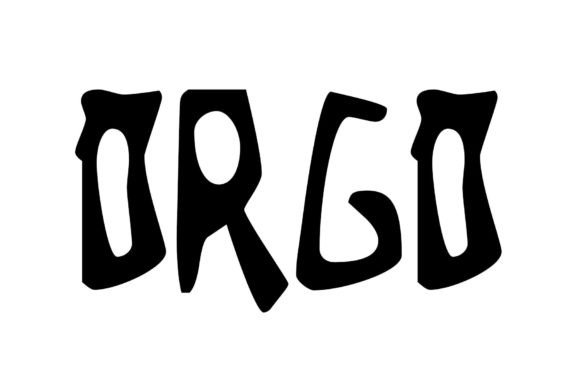
At first glance, Orgo might seem unconventional. Its irregular shapes and slightly uneven strokes give it a handcrafted feel that feels both intentional and unpredictable. This visual quirkiness sets it apart from more rigid typefaces, making it ideal for projects that benefit from a touch of personality. However, its appeal isn’t just about aesthetics—it’s also about how it performs in different contexts.
One of the key strengths of Orgo is its adaptability. It works well in headings, logos, and branding materials, but it also has enough structure to function in smaller text sizes when needed. This flexibility makes it a valuable asset for designers looking for a font that can handle multiple roles without sacrificing style.
Key Characteristics and Design Philosophy
Orgo’s design is rooted in a balance between spontaneity and control. The font features subtle variations in stroke weight and letterforms, which contribute to its dynamic look. These inconsistencies are not flaws but rather intentional design choices that add depth and interest. For instance, the lowercase 'g' and 'y' have distinctive tails that give the font a sense of motion and energy.
The uppercase letters are more structured, providing a contrast that helps maintain readability in larger text. This duality allows Orgo to serve as a focal point without overwhelming the reader. Its spacing is generous, which enhances legibility and prevents overcrowding, especially in headlines or titles.
Practical Applications and Real-World Use
When considering real-world use, Orgo shines in contexts where visual impact is important. It’s particularly effective in creative industries such as advertising, packaging design, and editorial layouts. Its quirky nature can help brands stand out in crowded markets, offering a fresh alternative to more traditional fonts.
For example, a small business launching a new product line could use Orgo for its logo or promotional materials to convey a sense of innovation and approachability. Similarly, a blog or magazine might incorporate Orgo in article titles to draw attention and create a memorable visual identity.
However, it’s worth noting that Orgo may not be the best choice for body text. Its irregularities and stylistic flourishes can reduce readability when used in long paragraphs. Designers should use it strategically, reserving it for areas where it can make the most impact without compromising clarity.
Quality, Usability, and Long-Term Value
In terms of quality, Orgo is well-crafted and consistent within its design framework. The font includes a comprehensive set of characters, including uppercase and lowercase letters, numbers, punctuation, and special symbols. This ensures that it can support a variety of typographic needs without requiring additional fonts.
Usability is another strong point. Orgo is available in multiple formats, making it accessible for both digital and print projects. Its licensing terms are typically clear and straightforward, allowing users to integrate it into their workflows without unnecessary complications.
From a long-term perspective, Orgo offers value for designers who want a font that can evolve with their projects. Its unique style means it won’t become outdated quickly, and its versatility ensures it remains relevant across different design trends and applications.
Who Benefits Most from Using Orgo?
Orgo is particularly beneficial for creatives and professionals who need a font that can add personality to their work. Entrepreneurs launching a brand, marketers creating eye-catching campaigns, and educators designing engaging content may find it useful for its ability to capture attention and convey a distinct identity.
Freelancers and small business owners who want to differentiate themselves in competitive markets will appreciate the font’s ability to stand out while maintaining a level of professionalism. It’s also a good option for bloggers and publishers looking to enhance the visual appeal of their content without relying on overly complex typography.
That said, Orgo may not be the best fit for every project. Those working on formal or highly technical documents may prefer more traditional fonts that prioritize clarity over character. In such cases, Orgo’s eccentricities could be seen as distracting rather than beneficial.
Recommendations and Final Thoughts
If you’re looking for a font that combines creativity with practicality, Orgo is worth considering. Its unique style and adaptability make it a strong choice for projects that require a visual punch. However, it’s important to use it thoughtfully and in the right context to maximize its effectiveness.
For designers exploring new typefaces, Orgo offers an opportunity to experiment with a font that doesn’t conform to standard expectations. It encourages a more expressive approach to typography, which can lead to more engaging and memorable designs.
Ultimately, Orgo is a font that rewards those who understand its strengths and limitations. By using it strategically, you can leverage its quirks to create designs that are both distinctive and effective.