The Turt: A Quirky Display Font for Diverse Design Needs
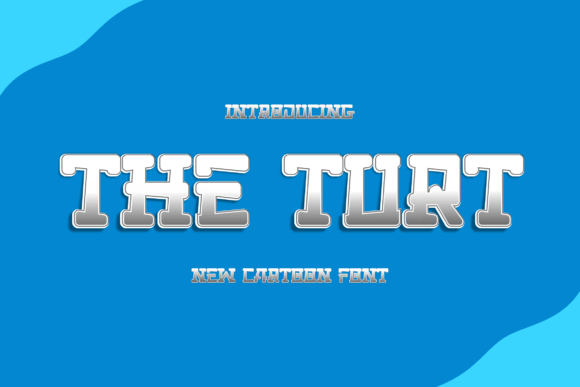
The Turt is a display font that stands out for its unique character and versatility. Designed with a playful yet professional edge, it offers a fresh alternative to more conventional typefaces. Its distinct visual identity makes it suitable for a wide range of applications, from branding to editorial design. Understanding what sets The Turt apart can help designers make informed choices about when and how to use it effectively.
What Makes The Turt Distinct?
The Turt combines a modern aesthetic with subtle eccentricities that give it personality. Unlike many display fonts that lean heavily into either boldness or minimalism, The Turt strikes a balance between the two. Its letterforms are clean but not overly rigid, allowing it to feel approachable while maintaining a sense of sophistication. This blend of traits makes it particularly useful in contexts where a font needs to be both eye-catching and readable.
One of the key features of The Turt is its adaptability. It works well in both large-scale typography, such as headlines and logos, and in smaller sizes for body text. While it is primarily designed as a display font, its legibility at smaller sizes means it can sometimes serve as a secondary typeface in more nuanced design projects. This flexibility is a significant advantage for designers looking for a single font that can handle multiple roles.
Comparing The Turt to Similar Fonts
When evaluating display fonts, it's helpful to consider how they compare in terms of style, readability, and context. The Turt shares some similarities with other contemporary display fonts like Montserrat and Raleway, which also emphasize clarity and modernity. However, The Turt distinguishes itself through its slightly more unconventional shapes and subtle irregularities that add character without sacrificing usability.
In contrast to more ornate or decorative fonts, The Turt avoids excessive flourishes or complexity. This makes it a practical choice for designers who want a distinctive look without the risk of overdesigning. It also differs from highly stylized fonts that may be better suited for specific niche applications, such as retro or vintage themes. The Turt’s neutral yet quirky tone allows it to fit into a broader range of design scenarios.
Strengths and Best-Fit Situations
The Turt excels in situations where a font needs to convey a sense of creativity without being distracting. Its clean lines and balanced proportions make it ideal for branding projects that aim to communicate innovation and approachability. For example, it could be used in the logo of a tech startup, a creative agency, or a lifestyle brand targeting a younger, design-conscious audience.
Another strength of The Turt is its ability to work in both digital and print formats. Whether used on a website, social media post, or printed material, it maintains its visual appeal and readability. This cross-platform consistency is valuable for designers working on multi-channel campaigns or projects that require a unified visual language.
Tradeoffs and Limitations
While The Turt is versatile, it may not be the best choice for every project. Its unique characteristics can sometimes make it less effective in contexts where a more traditional or neutral font would be preferable. For instance, in formal or corporate settings, a font like Georgia or Times New Roman might be more appropriate for conveying authority and reliability.
Additionally, because The Turt has a distinct personality, it may not pair well with all other typefaces. Designers should carefully consider how it interacts with other fonts in a given project. In some cases, using a complementary serif or sans-serif font alongside The Turt can enhance the overall design, but in others, it may create visual tension that detracts from the message.
When to Choose The Turt and When to Consider Alternatives
The Turt is an excellent choice when the goal is to create a memorable and engaging visual identity. It works well for projects that prioritize creativity, uniqueness, and a modern aesthetic. For example, a designer working on a music festival poster or a creative portfolio site might find The Turt to be an ideal fit.
However, there are situations where a different font might be more suitable. If the primary focus is on clarity and professionalism, a more restrained font could be a better option. Similarly, if the design requires a high degree of customization or intricate details, a font with more elaborate features might be necessary. In these cases, alternatives such as Bebas Neue, Lato, or Open Sans could offer more flexibility or a different stylistic direction.
Practical Examples and Use Cases
Consider a scenario where a designer is creating a website for a boutique coffee shop. The Turt could be used for the main headline to add a touch of personality and warmth. However, for the body text, a more readable font like Merriweather or Roboto might be chosen to ensure that the information is easy to consume. This combination highlights how The Turt can be used strategically without overwhelming the reader.
In another example, a designer working on a book cover might choose The Turt for the title to draw attention and evoke a sense of creativity. The font’s visual interest could complement the imagery and color scheme of the cover, making it stand out on a shelf. Yet, for the subtitle or author name, a simpler typeface might be used to maintain hierarchy and readability.
Conclusion: Making an Informed Choice
The Turt is a display font that offers a unique blend of character and functionality. Its distinctiveness makes it a compelling option for designers seeking a fresh and versatile typeface. However, like any tool, it is most effective when used in the right context. By understanding its strengths, limitations, and best-fit scenarios, designers can make informed decisions about whether The Turt is the right choice for their projects.
Ultimately, the decision to use The Turt should be based on the specific goals of the design, the target audience, and the overall visual strategy. Exploring alternatives and testing different fonts in real-world applications can help ensure that the final result is both aesthetically pleasing and functionally effective.