Reboy: A Nostalgic Display Font with Modern Appeal
Reboy is a display font that captures the essence of 1980s culture, blending elements from music, art, literature, fashion, dance, and film into a visually striking typeface. Its design evokes a sense of retro energy while maintaining a modern aesthetic, making it a versatile choice for creative projects. Whether used in branding, editorial design, or digital media, Reboy adds a unique character that stands out from more conventional fonts.
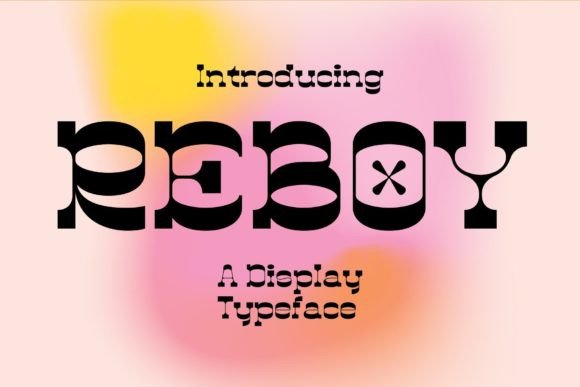
The font's distinctiveness comes from its bold strokes, playful curves, and dynamic structure. These features make it ideal for headings, logos, and other visual elements where a strong, eye-catching presence is needed. Unlike many generic display fonts, Reboy is rooted in a specific cultural era, giving it a nostalgic appeal that resonates with audiences familiar with 1980s aesthetics.
What Makes Reboy Unique?
Reboy’s design draws inspiration from the vibrant and expressive styles of the 1980s. This era was known for its bold experimentation in visual arts, which is reflected in the font’s sharp angles, exaggerated letterforms, and energetic flow. The result is a typeface that feels both authentic and contemporary, bridging the gap between past and present.
One of Reboy’s most notable traits is its ability to convey personality without being overwhelming. It balances creativity with readability, making it suitable for a range of applications. For instance, it can be used in posters, album covers, or even website headers to add a distinctive flair. However, it may not be the best choice for long blocks of text due to its stylized appearance.
Compared to other display fonts, Reboy offers a more cohesive theme tied to a specific cultural period. While many fonts aim for versatility, Reboy embraces its identity, which can be either a strength or a limitation depending on the project’s needs.
Reboy in Comparison to Similar Fonts
When evaluating display fonts, designers often consider factors such as legibility, versatility, and thematic relevance. Reboy sits in a niche category that combines retro influences with modern design principles. Other fonts in this space might include ones inspired by punk rock, graffiti, or vintage typography, each with their own strengths and limitations.
For example, a font like Bebas Neue is clean and minimalist, offering a modern look that works well in a variety of contexts. In contrast, Reboy’s more elaborate design makes it better suited for projects that benefit from a nostalgic or artistic touch. Similarly, Comic Sans is widely recognized but often criticized for its informal tone, whereas Reboy provides a more refined yet still playful alternative.
Designers looking for a font that can evoke a specific mood or era may find Reboy particularly appealing. However, those seeking a more neutral or universally applicable option might prefer other choices. The decision ultimately depends on the intended use and the message the designer wants to convey.
Best Use Cases for Reboy
Reboy excels in situations where a strong visual statement is needed. It is particularly effective in branding for businesses or products targeting a younger, trend-conscious audience. Its retro vibe can also enhance the appeal of content related to music, art, or pop culture, making it a valuable tool for creatives working in these fields.
In editorial design, Reboy can be used for headlines, captions, or section dividers to create a dynamic layout. It works well in print materials such as magazines, brochures, and posters, where visual impact is crucial. On digital platforms, it can be used for website titles, social media graphics, or app interfaces that aim to stand out.
However, Reboy may not be the best fit for all projects. In formal or professional settings, its stylized appearance could be seen as too casual or unrefined. Additionally, because of its unique style, it may require careful pairing with other fonts to ensure overall readability and balance.
Considerations for Designers
Before choosing Reboy, designers should consider the context in which it will be used. While its boldness can be an asset, it may also require adjustments in spacing, size, or color to achieve the desired effect. Testing the font in different formats and environments is essential to determine its effectiveness.
Another factor to consider is the target audience. If the audience is familiar with 1980s culture, Reboy may resonate more strongly. For broader or more diverse audiences, a more neutral font might be more appropriate. Understanding the cultural and emotional associations of the font can help guide the decision-making process.
Additionally, designers should evaluate how Reboy interacts with other elements of their design. Pairing it with complementary fonts, colors, and layouts can enhance its impact while avoiding visual clutter. Thoughtful integration ensures that the font supports the overall design rather than overshadowing it.
When Reboy Is the Right Choice
Reboy is an excellent choice when the goal is to create a memorable and distinctive visual identity. It is especially useful for projects that aim to evoke nostalgia, express creativity, or stand out in a competitive market. For instance, a music festival promoting 1980s-themed events might use Reboy to reinforce the theme and attract attention.
It is also beneficial for brands that want to align with a retro aesthetic or connect with a generation that values 1980s culture. In these cases, Reboy can serve as a powerful symbol of authenticity and style. Its unique character makes it a compelling option for designers who want to add a personal touch to their work.
However, Reboy’s suitability depends on the specific requirements of the project. If the design needs to be more subtle or adaptable, other fonts may be more appropriate. Evaluating the goals and constraints of the project is key to determining whether Reboy is the right fit.
Alternatives to Reboy
While Reboy has its own strengths, there are other fonts that may better suit certain needs. For example, Orbitron offers a futuristic look that appeals to tech-oriented designs, while Rock Salt provides a hand-drawn, casual feel that works well for informal or artistic projects. Each of these alternatives has its own set of advantages and limitations.
Designers should also consider the availability and licensing of fonts. Some fonts may have restrictions on commercial use, which can affect their practicality. Reboy, like many display fonts, may require a license for professional projects, so it’s important to review the terms before use.
Ultimately, the choice of font should reflect the project’s goals, audience, and overall design strategy. By exploring different options and understanding their characteristics, designers can make informed decisions that enhance their work.