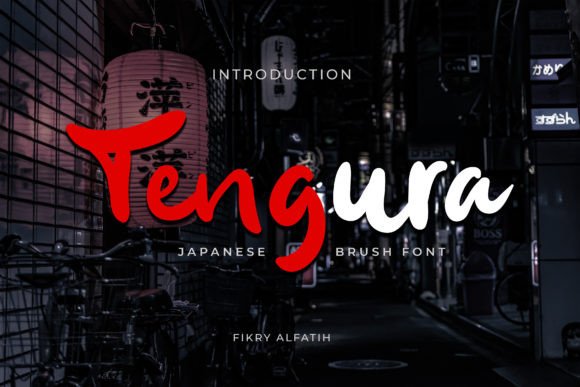
Tengura: A Japanese-Inspired Brush Font for Creative Expression
If you're looking to add a touch of traditional Japanese artistry to your design projects, Tengura is a brush display font that stands out. With its elegant strokes and cultural authenticity, Tengura offers a unique visual identity that resonates with those who appreciate the beauty of Japanese aesthetics. Whether you're working on a branding project, a personal blog, or a digital campaign, Tengura can bring a sense of refinement and sophistication to your work.
What Makes Tengura Unique?
Tengura is more than just a font—it's a stylistic choice that reflects the essence of Japanese calligraphy. The font features fluid, hand-drawn brush strokes that mimic the natural flow of ink on paper. This gives it a dynamic, organic feel that sets it apart from more rigid typefaces. Its design draws inspiration from traditional Japanese brushwork, making it ideal for projects that seek to evoke a sense of history, craftsmanship, or cultural depth.
The font’s versatility is another key strength. It works well in both large-scale displays, such as logos and headings, and smaller text sizes, where its intricate details still shine. Tengura also supports multiple languages, which makes it a practical option for international audiences or bilingual content.
Key Characteristics of Tengura
- Brush Stroke Texture: Tengura mimics the texture of a real brush, giving each letter a handcrafted look.
- Cultural Authenticity: Designed with an eye for Japanese calligraphy, it captures the spirit of traditional brushwork.
- High Legibility: Despite its artistic flair, Tengura remains easy to read, especially in larger sizes.
- Multi-Language Support: Suitable for use with Japanese, English, and other scripts, expanding its usability.
- Adaptable Styles: Available in different weights and variations, allowing for creative flexibility.
Practical Applications of Tengura
Tengura is not just a decorative font—it has real-world applications across various industries. For example, in the world of branding, it can be used to create distinctive logos that reflect a company’s cultural values or aesthetic preferences. If you're launching a new product line inspired by Japanese culture, Tengura can help establish a strong visual identity that appeals to enthusiasts and professionals alike.
In the realm of digital marketing, Tengura can enhance the visual appeal of social media posts, email campaigns, or website headers. Its striking appearance makes it perfect for attention-grabbing headlines or promotional materials that need to stand out in a crowded space. For educators or content creators, using Tengura in presentations or educational materials can add a visually engaging element that complements the subject matter.
For artists and designers, Tengura offers a way to infuse their work with a sense of tradition and creativity. Whether it's for a personal portfolio, a gallery exhibit, or a custom illustration, the font can serve as a powerful visual tool that enhances storytelling and emotional impact.
Why Choose Tengura for Your Projects?
One of the main reasons to consider Tengura is its ability to convey a specific mood or message. Unlike generic fonts that blend into the background, Tengura commands attention and adds a layer of meaning to your design. It’s particularly effective when used in contexts that emphasize heritage, artistry, or cultural expression.
From a usability standpoint, Tengura is designed to be functional as well as beautiful. Its legibility ensures that even in smaller sizes, the text remains clear and readable. This makes it suitable for a wide range of applications, from print materials like brochures and business cards to digital formats such as websites and mobile apps.
Real-World Use Cases for Tengura
Consider a small business owner who wants to launch a boutique coffee shop with a Japanese theme. Using Tengura for the logo and signage can instantly communicate the cultural inspiration behind the brand. Similarly, a blogger writing about Japanese culture might use Tengura in article titles or section headers to create a more immersive reading experience.
Another example could be a designer creating a wedding invitation that incorporates traditional Japanese elements. Tengura can be used to write the couple’s names or the event details, adding a refined and personalized touch. In educational settings, Tengura might appear in a textbook about Japanese history or language, helping to reinforce the cultural context of the material.
How to Incorporate Tengura Effectively
To get the most out of Tengura, it's important to use it strategically. While it’s visually striking, overusing it can lead to clutter or reduce readability. A good approach is to use it for headlines, logos, or key phrases where it can make the biggest impact. Pairing it with simpler, more neutral fonts for body text can create a balanced and professional look.
When selecting Tengura for a project, consider the tone and purpose of the content. If the goal is to evoke a sense of elegance or tradition, Tengura is an excellent choice. However, if the design requires a more modern or minimalist feel, it may be better to pair it with a complementary typeface.
Final Thoughts on Tengura
Tengura is more than just a font—it's a design asset that brings a unique cultural perspective to any project. Whether you're a designer, marketer, educator, or hobbyist, this brush display font offers a powerful way to express creativity while honoring the richness of Japanese aesthetics. By understanding its strengths and using it thoughtfully, you can elevate your work and connect more deeply with your audience.