Wavy Lines: A Handwritten Font for Authentic Design Expression
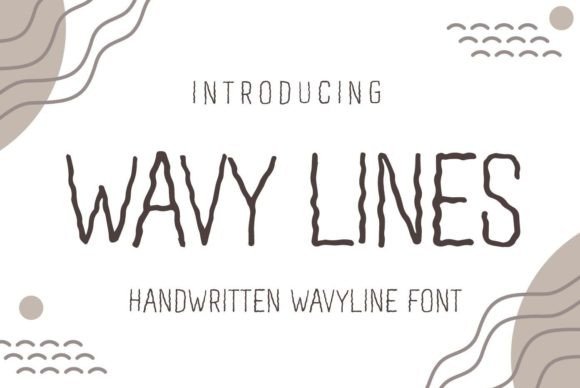
In the world of typography, the choice of a font can significantly influence the perception and impact of a design. Wavy Lines is a unique handwritten font that offers a delicate and well-rounded aesthetic, making it ideal for projects that require an authentic, personal touch. This font is not just another addition to the digital typeface library; it's a versatile tool that can elevate a wide range of creative endeavors.
The beauty of Wavy Lines lies in its natural flow and soft curves, which mimic the irregularities of human handwriting. Unlike rigid, geometric fonts, this style brings a sense of warmth and approachability to any design. Whether you're crafting a wedding invitation or designing a logo, the subtle imperfections of Wavy Lines add character and authenticity that can't be replicated by machine-generated fonts.
Applications of Wavy Lines in Creative Projects
One of the most common applications of Wavy Lines is in wedding invitations. The font’s elegant yet informal appearance makes it perfect for couples who want to convey a personal and heartfelt message without sacrificing sophistication. When paired with floral motifs or soft pastel colors, Wavy Lines can create a romantic and timeless atmosphere that resonates with guests.
Birthday cards are another area where Wavy Lines shines. For those looking to add a handmade feel to their greetings, this font provides a visually appealing alternative to standard printed text. It works especially well for children's birthdays, where the playful nature of the font can enhance the celebratory mood. Additionally, it can be used in more mature designs, offering a balance between creativity and professionalism.
Personal branding is another domain where Wavy Lines can make a significant difference. Entrepreneurs, artists, and influencers often seek fonts that reflect their individuality and style. Wavy Lines allows for a unique visual identity that stands out in a crowded market. Its adaptability means it can be used across various platforms, from social media profiles to business cards, ensuring a cohesive brand presence.
Advantages of Using Wavy Lines
One of the primary advantages of Wavy Lines is its ability to convey emotion through typography. The fluidity of the font can evoke feelings of nostalgia, creativity, or intimacy, depending on how it's used. This emotional connection can be particularly valuable in marketing materials, where the goal is to engage and resonate with the target audience.
Another benefit is its versatility. While it's best suited for casual or artistic contexts, Wavy Lines can also be adapted for more formal settings when paired appropriately. For example, using it in combination with a clean sans-serif font can create a balanced and modern look that still retains the personality of the handwritten style.
Additionally, Wavy Lines is highly readable, even at smaller sizes. This makes it suitable for both large-scale designs, such as banners or posters, and more detailed work, like packaging or stationery. Its legibility ensures that the message remains clear and accessible, regardless of the medium.
Considerations When Using Wavy Lines
While Wavy Lines offers many benefits, it's important to consider the context in which it will be used. In some cases, the font may not be appropriate for professional or corporate environments where a more structured and neutral typeface is expected. Designers should evaluate the tone and purpose of their project before deciding to incorporate Wavy Lines.
Another consideration is the availability of the font. Not all design software or platforms may support Wavy Lines, so users should verify compatibility before starting a project. Additionally, licensing terms can vary, so it's essential to understand the rights associated with using the font in different formats and mediums.
Finally, designers should experiment with different styles and combinations to find the best way to integrate Wavy Lines into their work. Testing the font in various layouts and color schemes can help identify the most effective and aesthetically pleasing results.
Real-World Examples of Wavy Lines in Action
Many independent designers have successfully incorporated Wavy Lines into their portfolios. For instance, a boutique graphic design studio might use the font for client logos, creating a signature look that reflects their creative vision. Similarly, a small business owner could apply Wavy Lines to their website headers or promotional materials, adding a distinctive and memorable element to their brand.
In the realm of education, teachers and educators have found Wavy Lines useful for creating engaging lesson plans or classroom decorations. The font’s friendly appearance can make learning materials more inviting and less intimidating for students. It can also be used in student projects, encouraging creativity and self-expression.
Artists and illustrators often use Wavy Lines to add a personal touch to their work. Whether it's signing a piece of art or labeling a gallery display, the font provides a subtle yet meaningful way to connect with the audience. Its presence can transform a simple label into a statement of style and intention.
Conclusion
Wavy Lines is more than just a font—it's a design element that can bring life and personality to any project. Its unique characteristics make it a valuable resource for creators, professionals, and hobbyists alike. By understanding its strengths and limitations, users can harness the full potential of Wavy Lines to enhance their visual communication and stand out in a competitive design landscape.