Ken Tunk: A Playful Font for Creative Expression
In the world of typography, finding a font that balances creativity with clarity can be challenging. Ken Tunk is a relaxed yet playful display font that brings a sense of joy and whimsy to any design project. Whether you're working on a children's book, a brand logo, or a poster, Ken Tunk offers a unique visual style that captures attention and conveys emotion. Its friendly curves and informal structure make it ideal for projects that aim to engage and delight their audience.
Understanding Ken Tunk: A Unique Display Font
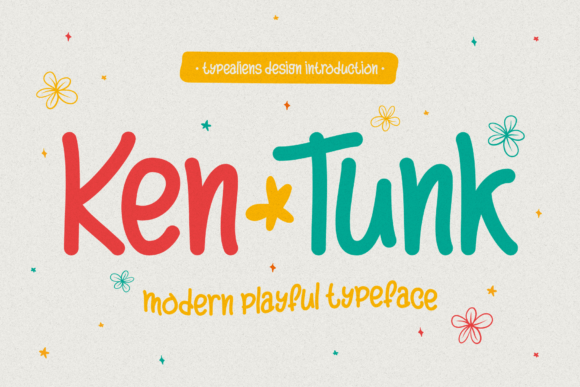
Ken Tunk is more than just a font—it's a character in itself. Designed with a casual and approachable feel, this font features soft, rounded edges and a slightly uneven baseline that mimics hand-drawn lettering. This gives it an organic, human touch that stands out from the rigid precision of most digital typefaces. The font’s playful nature makes it particularly well-suited for designs that aim to evoke a sense of fun, nostalgia, or lightheartedness.
Unlike traditional fonts that prioritize uniformity, Ken Tunk embraces imperfection. This characteristic allows it to stand out in a crowded design landscape, making it a popular choice for creative professionals looking to add personality to their work. Whether used in print or digital formats, Ken Tunk maintains its charm and readability, ensuring that it remains effective even at smaller sizes.
Challenges and Opportunities with Ken Tunk
While Ken Tunk is undeniably charming, it may not be suitable for every design scenario. One of the main challenges users face is determining when and how to use it effectively. Because of its informal appearance, it may not be appropriate for formal or corporate settings where a more professional font would be expected. However, for projects that require a creative or expressive tone, Ken Tunk can be a powerful tool.
Another challenge is ensuring that the font remains legible across different mediums. While it works well in larger text sizes, such as headlines or titles, it may become difficult to read in body text. Designers should consider the context in which they plan to use Ken Tunk and choose appropriate sizes and spacing to maintain readability without sacrificing its distinctive style.
Practical Applications of Ken Tunk
Ken Tunk shines in a variety of creative applications. For instance, it is an excellent choice for children's books, where its playful look can help capture the imagination of young readers. It also works well for cartoon-related designs, such as character logos, comic book titles, or animated graphics, where a whimsical aesthetic is essential.
Additionally, Ken Tunk is a great option for branding and marketing materials that aim to convey a sense of fun and approachability. Brand names, slogans, and product labels can benefit from its unique character, helping to create a memorable and engaging visual identity. In the realm of posters and advertisements, Ken Tunk can add a touch of personality that sets a design apart from the competition.
For writers and content creators, Ken Tunk can be used in book covers or title pages to give a publication a distinct and eye-catching appearance. It can also be incorporated into quotes or motivational messages, adding a personal and expressive flair that resonates with audiences.
How to Use Ken Tunk Effectively
To get the most out of Ken Tunk, it's important to understand how to pair it with other design elements. For example, using it in conjunction with simpler, more neutral fonts can help balance its playful nature while maintaining overall readability. This approach is especially useful in multi-page layouts, where consistency and clarity are key.
Designers should also consider the tone and message of their project when deciding whether to use Ken Tunk. If the goal is to create a sense of warmth or humor, this font can be a valuable asset. However, if the objective is to convey professionalism or authority, a more structured font might be more appropriate.
Another consideration is the size and placement of the text. Ken Tunk works best in larger sizes, such as headings or captions, where its unique characteristics can be fully appreciated. When used in smaller sizes, it's important to ensure sufficient spacing and contrast to maintain legibility.
Exploring Different Approaches to Ken Tunk
Users may approach Ken Tunk differently based on their specific needs and goals. For example, a graphic designer working on a children's toy packaging might use Ken Tunk to create a fun and inviting look, while a small business owner seeking a distinctive brand identity might incorporate it into a logo or website header.
Some users may prefer to use Ken Tunk in combination with other playful fonts to create a cohesive and dynamic visual style. Others may choose to use it sparingly, reserving it for key elements such as titles or callouts to avoid overwhelming the design. Ultimately, the effectiveness of Ken Tunk depends on how well it aligns with the overall vision and purpose of the project.
It's also worth noting that Ken Tunk can be customized or modified to suit specific design requirements. Some designers may adjust the spacing, weight, or stroke to enhance its visual impact, while others may combine it with illustrations or other graphical elements to create a more immersive experience.
Conclusion: Embracing the Joy of Ken Tunk
Ken Tunk is more than just a font—it's a creative tool that brings energy, personality, and joy to any design. Its relaxed yet playful style makes it ideal for projects that aim to connect with audiences on an emotional level. By understanding its strengths and limitations, users can harness its potential to enhance their work and create visually engaging experiences.
Whether you're designing for children, launching a new brand, or simply looking to add a touch of fun to your next project, Ken Tunk offers a versatile and expressive solution. With careful consideration and thoughtful application, this font can transform ordinary designs into something truly memorable and meaningful.