Pixess: A Bold and Square Lettered Display Font for Diverse Design Needs
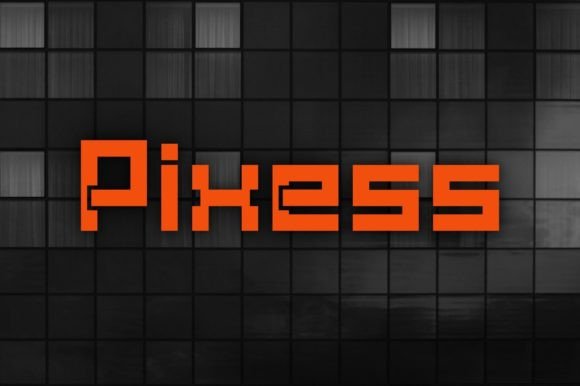
Pixess is a distinctive display font characterized by its bold, square lettering that offers a modern and eye-catching aesthetic. Designed for visual impact, it stands out in a variety of applications where clarity and strong typography are essential. Its geometric structure and clean lines make it a versatile choice for designers looking to add a contemporary edge to their work.
The font’s design emphasizes readability without sacrificing style, making it suitable for both digital and print media. Whether used in headlines, logos, or promotional materials, Pixess delivers a confident and professional look that can enhance the overall visual appeal of any project.
What Makes Pixess Unique?
Pixess distinguishes itself through its unique combination of boldness and symmetry. Unlike many other display fonts that prioritize ornate details or fluid shapes, Pixess takes a more structured approach. The uniformity of its letters ensures consistency across different sizes and formats, which is particularly beneficial in environments where legibility is critical.
The font’s square-shaped characters provide a sense of stability and strength, which can be especially effective in branding or signage. This design choice also makes it well-suited for minimalist or industrial aesthetics, where simplicity and clarity are key. Additionally, the lack of serifs or decorative elements allows Pixess to maintain a clean and modern appearance across various mediums.
Another notable feature of Pixess is its adaptability. While it is primarily a display font, its straightforward design allows it to function effectively in smaller text sizes when necessary. This flexibility makes it a practical option for designers who need a single font that can serve multiple purposes within a project.
Comparing Pixess with Similar Fonts
When considering display fonts, designers often evaluate options based on style, readability, and versatility. Pixess falls into a category of fonts that emphasize geometric forms and bold outlines, similar to fonts like Bebas Neue, Montserrat, or Roboto. However, each of these fonts has its own distinct characteristics that may align better with specific design goals.
Bebas Neue, for example, is known for its high contrast and sharp angles, which give it a more dramatic and attention-grabbing presence. In contrast, Pixess maintains a more balanced and even weight, which can be preferable in situations where a less aggressive look is desired. Montserrat, on the other hand, offers a more refined and humanist feel, with subtle curves that add a touch of warmth to its otherwise structured form.
While these alternatives may offer different visual effects, Pixess provides a middle ground that balances boldness with clarity. Its square-based design avoids the extremes of overly stylized or overly simple fonts, making it a reliable choice for a wide range of applications. This balance can be particularly useful for projects that require a consistent visual language across multiple elements.
Best Use Cases for Pixess
Pixess excels in scenarios where strong, clear typography is needed to capture attention and convey information effectively. One of its most common applications is in headline design, where its bold and structured appearance can help set the tone for a piece of content. Whether used in web banners, magazine covers, or social media posts, Pixess adds a sense of authority and professionalism.
In addition to headlines, Pixess is well-suited for signage and labels. Its geometric shape and even spacing ensure that text remains readable from a distance, which is crucial for wayfinding, product labeling, or event promotions. The font’s clean lines also make it an excellent choice for digital interfaces, such as mobile apps or website navigation menus, where clarity and usability are paramount.
For creative projects like game design or video titles, Pixess can provide a modern and dynamic look that complements fast-paced or high-energy content. Its ability to stand out without overwhelming the viewer makes it a good fit for multimedia projects that require a strong visual identity.
Limitations and Considerations
While Pixess offers many advantages, it may not be the best choice for every design scenario. Its bold and square appearance can sometimes come across as too rigid or impersonal, depending on the context. In cases where a more organic or expressive font is needed, Pixess might not provide the desired effect.
Additionally, because of its structured design, Pixess may not pair well with highly decorative or script-style fonts. Designers should consider how the font interacts with other elements in a composition to ensure a cohesive and harmonious look. In some cases, combining Pixess with a complementary typeface can enhance the overall design while maintaining visual balance.
Another factor to consider is the availability of different weights and styles. While Pixess may have a limited range of variations compared to more established typefaces, this can be both a benefit and a limitation. The lack of extensive options means that designers must work within the constraints of the available styles, which could restrict creative flexibility in certain projects.
When to Choose Pixess Over Other Options
Pixess is an ideal choice when the goal is to create a strong visual impact without compromising readability. For instance, in a business setting where a clean and professional look is required, Pixess can serve as a reliable alternative to more traditional serif fonts. Its modern appearance also makes it a good fit for tech-related projects, where a sleek and forward-thinking aesthetic is important.
For designers working on projects with tight deadlines, Pixess can be a practical solution due to its straightforward design and ease of use. Its minimalistic approach reduces the need for extensive customization, allowing for quicker implementation without sacrificing quality. This efficiency can be valuable in fast-paced environments where time is a critical factor.
Moreover, Pixess is a solid option for designers who want to avoid overused fonts while still maintaining a professional appearance. Its unique structure sets it apart from more common display fonts, offering a fresh and distinctive alternative that can help a project stand out in a crowded market.
Conclusion
Pixess is a versatile and impactful display font that offers a bold and structured approach to typography. Its clean lines and geometric design make it suitable for a wide range of applications, from headlines to signage and digital interfaces. While it may not be the best fit for every project, its strengths in clarity, readability, and visual appeal make it a compelling choice for many design scenarios.
By understanding its strengths and limitations, designers can make informed decisions about when to use Pixess and when to explore alternative options. Whether used as a standalone font or paired with others, Pixess provides a reliable and modern solution for those seeking a strong typographic presence in their work.