Joylee: A Quirky Font for Expressive Design
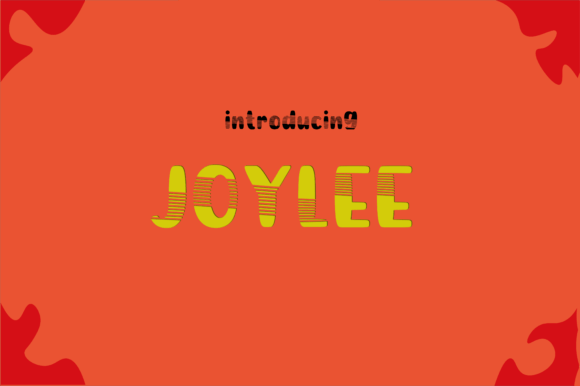
In the world of typography, fonts serve as more than just a means of communication—they are tools of expression, identity, and creativity. Among the many typefaces available, Joylee stands out as a fun and quirky display font that brings a unique energy to any design project. Its natural, hand-drawn aesthetic makes it ideal for a wide range of applications, from branding to digital art, and its versatility ensures that it can be adapted to suit various creative needs.
What sets Joylee apart is its ability to convey personality without being overwhelming. The font’s irregular shapes and playful curves give it a sense of movement and liveliness, making it perfect for projects that aim to capture attention or evoke a specific mood. Whether used in a logo, a poster, or a social media graphic, Joylee adds a touch of originality that can elevate the visual impact of any design.
The Characteristics of Joylee
At first glance, Joylee appears to be a whimsical and informal typeface, but its design is rooted in careful craftsmanship. The font features a mix of sharp angles and soft curves, creating a balance between structure and spontaneity. This duality allows it to work well in both casual and more refined contexts, depending on how it’s applied.
One of the most notable aspects of Joylee is its variation in weight and style. While the base version has a distinct character, additional weights and alternate glyphs offer designers more flexibility. These variations enable users to fine-tune the font’s appearance to better match their creative vision, whether they’re aiming for a bold statement or a subtle accent.
Another feature that contributes to Joylee’s appeal is its readability. Despite its playful nature, the font remains legible even at smaller sizes, which is essential for practical use. This makes it suitable not only for large-scale displays but also for text that requires clarity, such as headings or captions.
Applications of Joylee in Design
The adaptability of Joylee makes it a valuable asset across multiple design disciplines. In the realm of branding, for instance, the font can be used to create logos that reflect a brand’s personality. A startup looking to establish a youthful and energetic image might choose Joylee to convey a sense of innovation and fun, while a boutique business could use it to add a touch of charm to its visual identity.
In digital design, Joylee finds a natural home in web and app interfaces. Its dynamic look can be used to highlight key elements, such as call-to-action buttons or navigation menus, drawing users’ attention in a way that feels engaging rather than intrusive. When paired with other fonts, it can also help create a visual hierarchy that guides the viewer through the content effectively.
Print media is another area where Joylee shines. From event flyers to product packaging, the font adds a distinctive flair that can make a design stand out. For example, a music festival poster using Joylee might feel more vibrant and inviting, encouraging potential attendees to engage with the event.
Advantages of Using Joylee
One of the primary benefits of Joylee is its ability to add a unique voice to a design. Unlike more traditional fonts that may blend into the background, Joylee demands attention and invites viewers to interact with the content on a more personal level. This can be particularly useful in marketing campaigns or artistic projects where differentiation is key.
Additionally, Joylee’s versatility allows it to be used in a variety of formats without losing its character. Whether printed on paper, displayed on a screen, or incorporated into a 3D model, the font maintains its visual appeal. This makes it a reliable choice for designers who need a consistent look across different mediums.
Another advantage is the font’s ease of use. Many designers find that Joylee integrates smoothly with design software, allowing for quick experimentation and adjustments. Its availability in multiple file formats further enhances its accessibility, ensuring that it can be used by a wide range of professionals and hobbyists alike.
Considerations When Using Joylee
While Joylee offers numerous benefits, it’s important to consider its limitations. The font’s playful nature may not be suitable for all types of projects. For example, a corporate document or a formal publication might require a more restrained and professional typeface. In such cases, Joylee could come across as inappropriate or distracting.
Designers should also be mindful of how Joylee interacts with other elements in a composition. Due to its distinct shape, it may not always pair well with certain fonts or color schemes. Testing different combinations and adjusting spacing, size, and contrast can help ensure that the font complements the overall design rather than competing with it.
Finally, it’s worth noting that the effectiveness of Joylee depends on the context in which it’s used. A well-placed headline in a magazine layout can benefit greatly from the font’s energy, while an overused or poorly implemented application might diminish its impact. Thoughtful integration is key to maximizing the font’s potential.
Real-World Examples of Joylee in Action
Looking at real-world examples can provide insight into how Joylee is used in practice. One common application is in the creation of custom illustrations or animations, where the font’s organic form blends seamlessly with hand-drawn elements. This synergy can enhance the visual storytelling aspect of a project, making it more engaging and memorable.
Another example is in the field of education, where Joylee is sometimes used in teaching materials or interactive learning tools. Its lively appearance can make complex concepts more approachable, especially for younger audiences. By adding a sense of fun to educational content, the font helps maintain engagement and encourage curiosity.
Even in the realm of personal expression, Joylee has found a place. Artists and creators often use the font in their portfolios or social media profiles to reflect their individual style. This not only helps them stand out but also reinforces their creative identity in a competitive market.
Conclusion
Joylee is more than just a font—it’s a tool for creativity and self-expression. Its unique characteristics, practical applications, and versatile nature make it a valuable addition to any designer’s toolkit. Whether used in branding, digital design, or personal projects, Joylee has the power to transform ordinary text into something extraordinary. By understanding its strengths and considering its appropriate use, designers can harness the full potential of this quirky and expressive typeface.