Meeow: A Playful Display Font for Joyful Designs
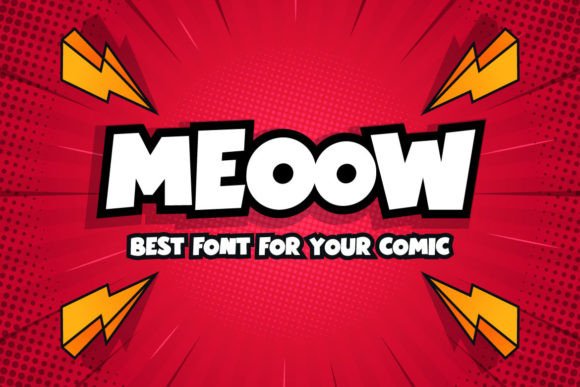
Meeow is a distinctive display font that brings a sense of fun and whimsy to any design project. Its rounded, slightly irregular shapes and expressive character forms make it ideal for creative work that benefits from a lighthearted or playful tone. Whether you're designing for children, working on a comic book, or creating content for games, Meeow offers a unique visual identity that stands out from more traditional typefaces.
Unlike many standard fonts that prioritize clarity and neutrality, Meeow embraces imperfection and personality. This approach makes it particularly well-suited for projects where the font itself can contribute to the overall mood or theme. However, this same characteristic may not be appropriate for all applications, especially those requiring a more formal or professional appearance.
What Makes Meeow Unique?
Meeow distinguishes itself through its distinct aesthetic and character design. The font features soft curves, exaggerated details, and a hand-drawn quality that gives it a sense of movement and energy. These elements combine to create a typeface that feels alive and engaging, rather than static or rigid.
One of the key strengths of Meeow is its ability to convey emotion without relying on color or imagery. The font’s visual quirks and playful shapes can communicate joy, curiosity, or playfulness simply through typography. This makes it a valuable tool for designers looking to add a personal touch to their work without overcomplicating the design process.
Another notable feature is the font’s versatility across different media. While it excels in digital formats such as websites, apps, and social media, it also works well in print for items like posters, packaging, or promotional materials. Its bold strokes and clear letterforms ensure readability even at smaller sizes, though some care may be needed when using it in dense text blocks.
Comparing Meeow to Similar Fonts
When considering Meeow, it’s helpful to compare it with other display fonts that share similar goals. Fonts like Kid Games, Bubblegum Sans, or Comic Neue also aim to bring a playful tone to design work. Each of these has its own strengths and limitations, and the choice between them often depends on the specific needs of a project.
For example, Bubblegum Sans is known for its clean, bubbly style and is often used in educational or children’s content. It maintains a level of professionalism while still being approachable. In contrast, Meeow leans more toward a handcrafted, spontaneous feel, which may be less suitable for certain contexts.
Fonts like Comic Sans are widely recognized but often criticized for their informal appearance. Meeow avoids some of the pitfalls associated with overly casual typefaces by offering a more refined yet still expressive look. This balance can make it a better fit for projects that require both creativity and a degree of polish.
Best Fit Situations for Meeow
Meeow is particularly effective in scenarios where the font can enhance the storytelling or emotional impact of a design. For instance, in children’s books or educational materials, the font’s playful nature can help engage young readers and make the content more relatable. Its visual appeal can also support branding efforts for companies targeting a younger or more creative audience.
In the realm of game design, Meeow can be used to create titles, UI elements, or in-game text that aligns with a cartoonish or whimsical theme. Its dynamic shape variations allow for greater flexibility in customizing the look of text to match the overall style of a game.
For web designers, Meeow can be an excellent choice for headers, buttons, or other visual elements that benefit from a bold and memorable presence. However, it’s important to use it strategically, as overuse can lead to visual clutter or reduced readability.
Limitations and Tradeoffs
While Meeow offers many advantages, it is not without its limitations. One potential drawback is its suitability for long-form text. Due to its stylized design, it may not be the best choice for body paragraphs or large blocks of text, where legibility and consistency are crucial.
Another consideration is the font’s availability and licensing. Depending on the platform or software being used, access to Meeow may be restricted or require additional steps to implement. Designers should verify compatibility and licensing terms before incorporating it into a project.
Additionally, the font’s uniqueness may not always be desirable. In some cases, a more neutral or conventional typeface might be preferable, especially when the goal is to maintain a professional or serious tone. Meeow’s expressive style could be seen as distracting or inappropriate in certain contexts.
When to Choose Meeow and When to Consider Alternatives
Choosing Meeow depends largely on the intended purpose and audience of the design. If the goal is to create a joyful, engaging, or imaginative experience, then Meeow is an excellent option. It can add a sense of personality and energy that other fonts may lack.
However, if the project requires a more subtle or restrained approach, alternatives such as Open Sans, Lato, or Poppins might be more appropriate. These fonts offer clarity, versatility, and a professional appearance that can work across a wide range of applications.
Designers should also consider the broader context of their work. For example, in a corporate setting, a more conservative font may be necessary to align with brand guidelines. In contrast, a creative agency or independent project might benefit from the boldness and originality of Meeow.
Practical Examples and Use Cases
Imagine a children’s app that uses Meeow for its title screen and navigation buttons. The font’s playful look would immediately signal to users that the app is fun and easy to use. Similarly, a comic book cover featuring Meeow could draw attention and set the tone for the story within.
In another scenario, a marketing campaign targeting young adults might use Meeow for social media posts or promotional banners. The font’s energetic style could help capture the attention of the target demographic and reinforce the brand’s youthful, creative image.
On the other hand, a financial services website would likely avoid Meeow in favor of a more traditional font that conveys trust and reliability. In such cases, the font’s playful nature might undermine the intended message.
Conclusion
Meeow is a versatile and expressive display font that can bring a sense of joy and creativity to a wide range of design projects. Its unique characteristics make it well-suited for applications that benefit from a playful or imaginative tone. However, its effectiveness depends on the specific needs of the project and the preferences of the target audience.
By understanding the strengths and limitations of Meeow, designers can make informed decisions about when and how to use it. Whether it’s the right choice for a given project will depend on factors such as the desired mood, the medium, and the overall design strategy. With careful consideration, Meeow can be a powerful tool for adding personality and visual interest to any creative endeavor.