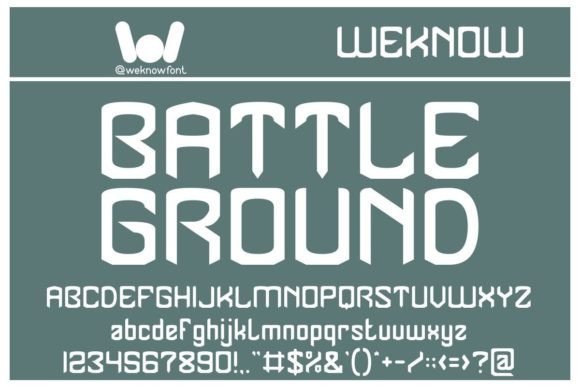
Battle Ground: A Gothic-Themed Modern Display Font for Creative Projects
Battle Ground is a modern display font with a distinct Gothic aesthetic, designed to add visual depth and character to a wide range of creative projects. Its bold strokes and intricate details make it ideal for logos, headlines, and other design elements that require a strong, memorable presence. Whether you're working on a corporate identity, a music album, or a digital platform, Battle Ground offers a versatile yet distinctive option for typography.
What Makes Battle Ground Unique?
Battle Ground stands out due to its fusion of traditional Gothic elements with a contemporary design sensibility. Unlike more classic Gothic fonts that may feel overly ornate or outdated, Battle Ground balances historical inspiration with modern clarity. This makes it suitable for both traditional and modern applications without feeling forced or mismatched.
The font’s letterforms feature sharp angles, subtle flourishes, and a sense of movement that can evoke a dramatic or mysterious tone. These characteristics make it particularly effective in branding for industries such as entertainment, fashion, and media, where visual storytelling plays a key role.
Another notable aspect of Battle Ground is its readability at larger sizes. While many Gothic-style fonts can become difficult to read when scaled down, Battle Ground maintains legibility even in smaller contexts, making it adaptable for various design needs.
Comparing Battle Ground with Similar Fonts
When considering typography options, it's helpful to compare Battle Ground with similar fonts to understand its strengths and limitations. Fonts like Garamond or Baskerville, for example, offer a more classical and refined appearance, but they lack the edginess and visual impact that Battle Ground provides.
Fonts such as Bebas Neue or Montserrat are popular choices for modern display use, but they tend to be more minimalist in style. Battle Ground, by contrast, brings a richer, more textured look that can stand out in competitive design environments. However, this added complexity may not always be desirable, especially in situations where simplicity and clarity are prioritized.
In the realm of Gothic-inspired fonts, Battle Ground occupies a unique space. It avoids the heavy, sometimes cluttered appearance of older Gothic typefaces while still retaining their signature flair. This balance makes it a practical choice for designers who want to incorporate Gothic elements without overwhelming the overall design.
Best Fit Situations for Battle Ground
Battle Ground excels in scenarios where a strong visual statement is needed. For instance, in the apparel industry, it can be used to create striking brand names or slogans that reflect a bold, confident identity. Similarly, in the music or film industry, it can enhance promotional materials by adding a sense of drama or intensity.
For digital platforms such as websites or social media, Battle Ground can serve as a headline font to draw attention and reinforce brand personality. Its versatility allows it to work well in both dark and light backgrounds, depending on the design context.
In publishing, Battle Ground can be used for book titles, magazine covers, or comic book headers to create an engaging and immersive reading experience. Its ability to convey mood and atmosphere makes it a valuable tool for visual storytelling.
Limitations and Tradeoffs
While Battle Ground has many appealing qualities, it may not be the best choice for every project. Its decorative elements can sometimes overshadow the message it's meant to convey, especially in text-heavy designs. In such cases, a more neutral or functional font might be more appropriate.
Additionally, because of its detailed design, Battle Ground may not render perfectly on all devices or screen resolutions. This can be a concern for digital projects where consistent appearance across platforms is essential. Designers should test the font in different environments to ensure it meets their requirements.
There is also the consideration of licensing and availability. Some fonts come with restrictions on commercial use or require additional fees for extended licenses. Before incorporating Battle Ground into a project, it's important to verify the terms of use and ensure compliance with any applicable guidelines.
When to Choose Battle Ground vs. Alternatives
Designers should consider the tone and purpose of their project when deciding whether to use Battle Ground. If the goal is to create a bold, eye-catching design that conveys energy or mystery, Battle Ground is an excellent choice. It works particularly well for brands that want to emphasize strength, creativity, or a unique identity.
However, if the design requires a more subtle or professional look, alternatives such as Helvetica or Roboto may be more suitable. These fonts offer clean lines and high readability, making them ideal for business-related projects or content that prioritizes clarity over style.
In some cases, a hybrid approach may be beneficial. For example, using Battle Ground for a headline while pairing it with a simpler font for body text can create a balanced and visually appealing layout. This strategy allows the font’s character to shine without compromising readability.
Realistic Examples and Practical Applications
Consider a music festival promoting a new event. Using Battle Ground for the event name could immediately communicate a sense of excitement and adventure. Pairing it with a more subdued font for details like dates and locations ensures the information is easy to read without losing the visual impact.
In the fashion industry, a clothing brand might use Battle Ground for its logo to reflect a bold, artistic identity. The font’s Gothic elements can resonate with customers who appreciate alternative or avant-garde styles, helping to differentiate the brand from competitors.
For a video game title, Battle Ground can contribute to the overall atmosphere, reinforcing themes of conflict, exploration, or fantasy. Its visual appeal can enhance the player’s first impression and set the tone for the gaming experience.
Conclusion: Making an Informed Decision
Battle Ground offers a compelling blend of Gothic influence and modern design, making it a powerful tool for creative professionals. Its versatility and visual impact can elevate a wide range of projects, from logos to digital content. However, its suitability depends on the specific needs of the design and the message being communicated.
By understanding the strengths and limitations of Battle Ground, designers can make informed decisions about when and how to use it effectively. Whether it's the right choice for a particular project will depend on factors such as the desired tone, audience, and overall design goals. Exploring alternatives and testing different options can help ensure the final result aligns with the intended vision.